Fractional CO2 Laser Treatment in Tirana
Treatment with fractional CO2 laser in Tirana is an advanced dermatological procedure for controlled skin regeneration. It may be used to improve acne scars, wrinkles, uneven texture, sun damage and stretch marks and other concerns selected after a professional assessment.
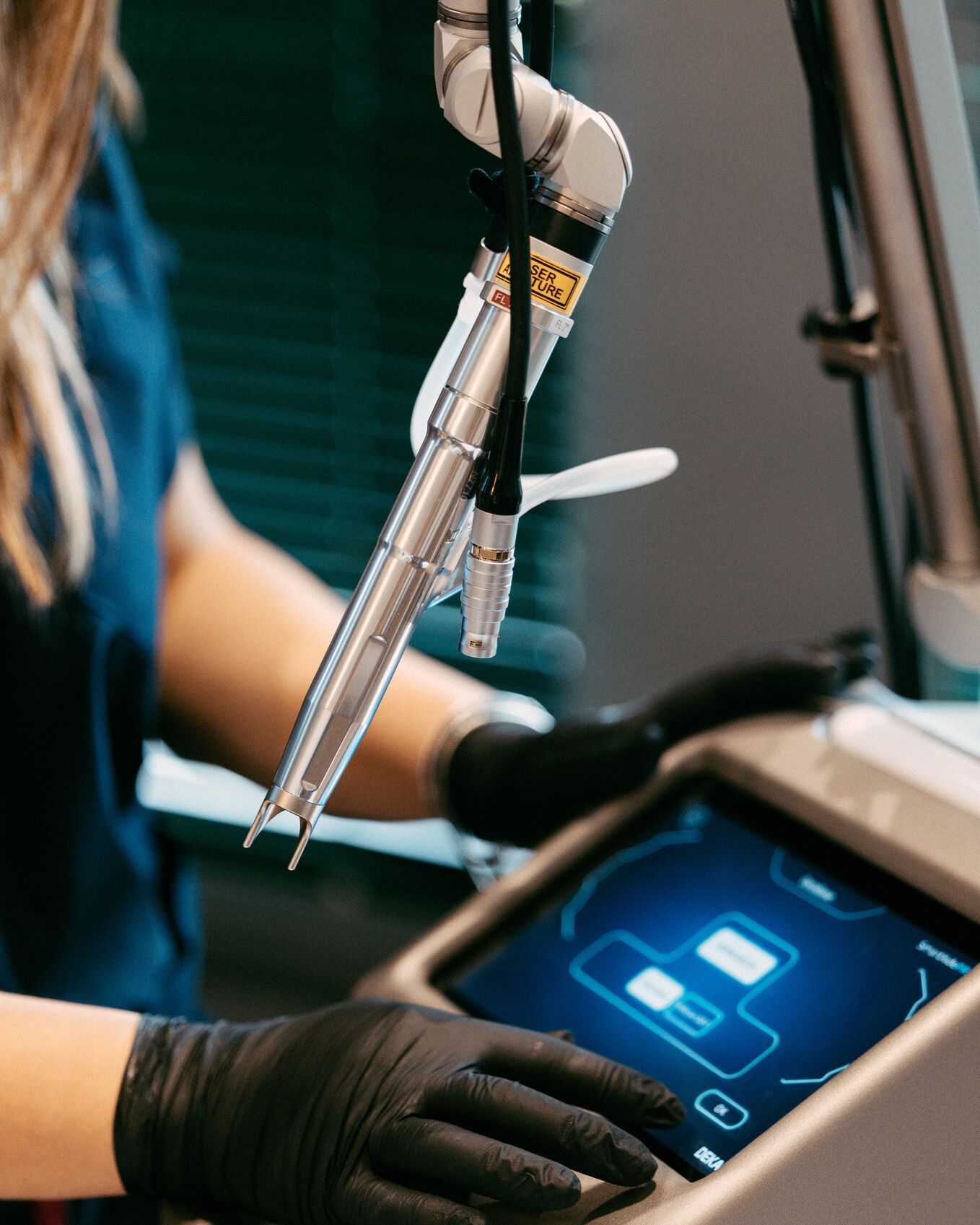
At Eden Laser Clinic, treatment is performed with SmartXide PRO, a DEKA CO2 system with fractional DOT technology. Settings are adapted according to the area, skin phototype, concern and the recovery time the patient can accommodate. Every plan begins with a consultation and individual assessment.
On this page
How is CO2 laser treatment performed? How does the SmartXide PRO CO2 laser work? Results, sessions and recovery time FAQs
How is CO2 laser treatment performed?
01
Consultation and skin assessment
Before the procedure, the specialist assesses the concern, skin phototype, skin history, medications and expectations. At this stage, it is determined whether fractional CO2 laser is the appropriate choice or whether another treatment is needed.
02
Anaesthesia
A topical anaesthetic may usually be applied to improve comfort. The type of anaesthesia is determined by the professional according to the area and intensity of the procedure.
03
The procedure
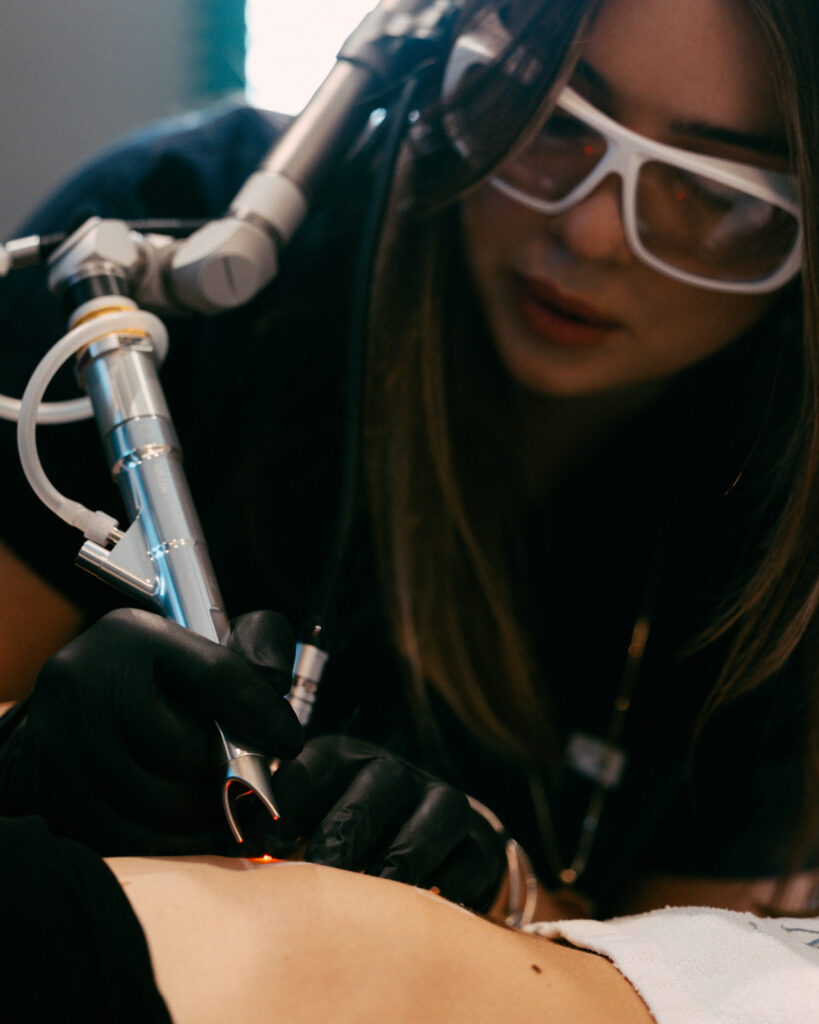
During treatment, the applicator passes across the selected area in a controlled way. You may feel heat, pricking or discomfort. Duration varies according to the area and protocol, but may usually be around 30–90 minutes, including preparation.
04
Aftercare
Redness, swelling, sensitivity, itching or a sunburn-like sensation are expected after the procedure. Crusts or temporary skin peeling may also occur. The clinic’s instructions on cleansing, protective products, hydration and sun protection must be followed precisely.
Do not use active products, pick at crusts or restart your usual routine without the specialist’s approval. Contact the clinic if unusual symptoms or worsening occur.
How does the SmartXide PRO CO2 laser work?
CO2 laser energy is absorbed by water in the skin and creates a controlled ablative and thermal effect. Depending on the settings, treatment may act at different layers to improve the skin surface and stimulate gradual collagen remodelling.
Depth, spot density and energy are not the same for every patient. They are determined after assessment of the skin, scar type, area and treatment goal.
SmartXide PRO and HiScan DOT technology
Eden Laser Clinic uses SmartXide PRO, a CO2 laser with a wavelength of 10,600 nm and maximum power of 30 W. The system allows a transition from more superficial fractional treatments to micro-ablative procedures according to the indication.
The scanning unit HiScan DOT allows control of the shape, size, density and distribution of treatment points. This supports more uniform application and personalisation of intensity and recovery time. Settings are selected only by the professional performing the procedure.
Which skin concerns can be treated with CO2 laser?
CO2 laser treatment may be used for several skin concerns. Suitability and results depend on the diagnosis, the depth of the concern, skin phototype, medical history and aftercare.
Acne scars and other scars
CO2 laser for acne scars may help soften atrophic scars and improve uneven skin structure. Different scar types may require different settings or combinations of treatments.
CO2 laser mainly targets post-acne scars, rather than necessarily treating active acne. For inflammation and active acne, read more about ClearSkin laser acne treatment.
Wrinkles, fine lines and texture
CO2 laser resurfacing may soften the appearance of fine lines, selected wrinkles and uneven texture, particularly in facial areas assessed as suitable. Collagen remodelling continues gradually after initial healing.
Sun damage and uneven tone
Treatment may improve some superficial changes related to chronic sun exposure and uneven tone. Not every spot is treated with the same technology; pigmentation must therefore be assessed before the procedure.
Stretch marks and selected scars
Fractional CO2 laser may be recommended to improve the appearance of some stretch marks and post-surgical or post-traumatic scars. Results depend on the age, colour, depth and location of the scar.
Benign skin lesions
The CO2 laser’s Freehand surgical mode may be used to remove selected benign lesions, such as skin tags or papillomas. Every mole or lesion must be assessed by a doctor before removal. The method, possibility of histopathological analysis and risk of scarring are discussed individually; removal may leave a scar.
How to prepare before treatment
Preparation is adapted to the patient. The consultation should discuss medications, supplements, previous procedures, a tendency to develop herpes, keloid scars, pigment changes and any active skin condition.
Before treatment, limit intense sun exposure and tanning and use the recommended sun protection. Some active products may be paused temporarily only under professional guidance. Discuss medicines and supplements that affect bleeding with the prescribing doctor; do not change them yourself. Infection, irritation or active inflammation in the area may require the procedure to be postponed.
Do not stop any medication on your own.
Results, sessions and recovery time
When do results begin?
Improvement becomes visible after the initial healing phase. Texture and tone may continue to improve over the following weeks and months as collagen remodels. Results vary from person to person and cannot be guaranteed to the same degree for every concern.
How many sessions are needed?
The number of sessions depends on the depth of scars or wrinkles, area, settings used, skin phototype and goal. Some patients may receive one more intensive session, while others benefit from several more controlled sessions. The plan is determined only after consultation.
How long is recovery?
The most active recovery phase after fractional treatment may last from approximately several days to 1–2 weeks, depending on depth and area. Redness may last longer than the initial peeling. Individual recovery expectations are discussed before the procedure.
Who is a suitable candidate?
CO2 laser may be assessed for post-acne scars, selected scars, fine lines, wrinkles, visible pores and uneven texture. Depending on the diagnosis, it may also be considered for some sun damage, tone changes, stretch marks, surgical scars or benign lesions assessed beforehand.
The decision should not be based solely on the concern. Skin phototype, medical history, a tendency towards pigmentation or scarring and the ability to follow aftercare are equally important.
When might treatment not be recommended?
The specialist may postpone treatment or recommend an alternative in the presence of active infection or inflammation, recent intense sun exposure, a tendency to form keloid scars, certain medical conditions or medications affecting healing. Pregnancy, breastfeeding and a history of pigment changes should be discussed during the consultation.
Possible risks include redness, swelling, itching, burns, crusting, infection, pigment changes and, more rarely, scarring. Professional assessment and aftercare help reduce risk but do not eliminate it.
CO2 laser or another treatment?
The choice depends on the depth of the concern, skin phototype, intended result and the recovery time the patient accepts.
CO2 laser or Erbium laser?
CO2 is used for deeper or more intensive resurfacing in selected cases. Erbium laser for skin renewal may be a gentler option for more superficial concerns and is usually associated with shorter recovery time. The decision is made after assessment.
CO2 laser, Dermapen 4 or a chemical peel?
For scars and texture, the specialist may compare CO2 laser with Dermapen 4 microneedling or chemical peels. Dermapen creates mechanical microchannels, peels use controlled acids, and CO2 creates controlled thermal/ablative zones. These procedures are not interchangeable for every patient and may sometimes be included in combined plans at different times.
Why choose Eden Laser Clinic for CO2 laser in Tirana?
At Eden Laser Clinic, every treatment begins with a skin assessment and an individual plan. The use of SmartXide PRO with DOT technology, adjustable settings and post-procedure follow-up allow treatment to be adapted to the patient’s concern and profile.
The clinic is located in Tirana and offers a consultation to clarify the indication, process, recovery time, risks and alternatives before a decision is made.
FAQs
What is fractional CO2 laser?
It is an ablative treatment that creates controlled microzones in the skin, encouraging healing and collagen remodelling. It is used for concerns such as acne scars, wrinkles and uneven texture after a professional assessment.
Does CO2 laser treatment hurt?
You may feel heat, pricking or discomfort. A topical anaesthetic is usually used, and the level of discomfort varies according to the area, intensity and individual tolerance.
How long does a session last?
Treatment may last around 30–90 minutes, including preparation, but the time depends on the size of the area and protocol.
How many days does recovery take?
Initial recovery may take several days to 1–2 weeks. Redness may continue longer, especially after more intensive treatments.
How many CO2 laser sessions are needed?
There is no single number for everyone. Some cases require one session, while others require several. The number is determined by the concern, depth, skin phototype and chosen intensity.
When are results visible?
Improvement is visible after the skin passes through the healing phase and may continue gradually over weeks or months as collagen remodels.
Does CO2 laser treat active acne?
CO2 is most often used for post-acne scars and texture. For active acne, another plan may be recommended, such as ClearSkin treatment, depending on the assessment.
What are the possible side effects?
Redness, swelling, sensitivity, itching, crusts or temporary pigment changes may occur. Infection and scarring are rarer but possible. Risk is discussed individually.
Can CO2 laser be performed in summer?
Timing is chosen according to the skin phototype, area, intensity and ability to avoid sun exposure. If there is a tan or anticipated intense exposure, the procedure may be postponed. The specialist makes the decision.
How much does CO2 laser cost in Tirana?
The price depends on the area, concern, treatment mode and number of sessions. After consultation, Eden Laser Clinic can provide a plan and cost for the specific case.