
Hair Mesotherapy in Tirana
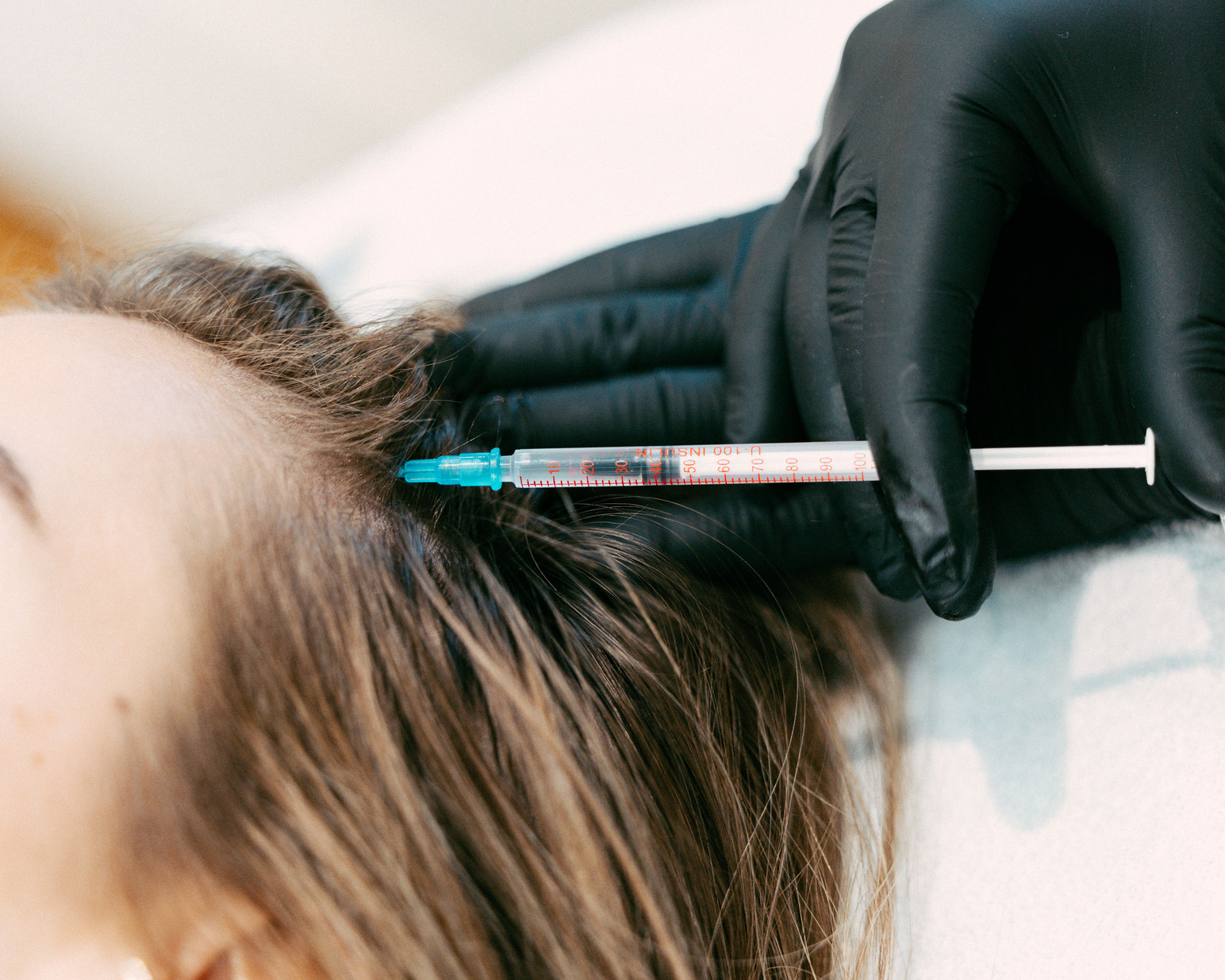
Hair mesotherapy uses scalp microinjections and may form part of a personalised plan for hair loss, thinning or weakened hair. The product and protocol are selected according to the cause of hair loss, scalp condition and individual goals.
Hair loss does not always have the same cause. It may relate to genetics, hormonal changes, stress, the postpartum period, nutritional deficiencies, scalp conditions or other factors. At Eden Laser Clinic in Tirana, treatment therefore starts with a consultation and professional assessment.
On this page
What is hair mesotherapy? How is hair mesotherapy performed? Frequently asked questions about hair mesotherapy
What is hair mesotherapy?
Mesotherapy uses small injections to introduce a selected product into the scalp skin. Depending on its formulation, the product may contain various ingredients intended for professional use.
Mesotherapy is not a single formula and does not work in the same way for everyone. Ingredients, session numbers and intervals vary with the product and diagnosis. During your consultation, we explain the proposed product, why it is recommended and what you can realistically expect.
Treatment does not create new follicles or restore hair where follicles have been destroyed. In selected cases, it may support follicles that remain active.
Which concerns may be considered?
Mesotherapy may be considered for gradual thinning, weakened strands, early androgenetic alopecia or diffuse shedding once the cause is established. In selected cases, it supports scalp and hair maintenance or a plan with other recommended treatments.
Mesotherapy is not suitable for every type of alopecia. Patchy hair loss, scarring alopecia, scalp infections and sudden shedding require a diagnosis and specific treatment.
Why identify the cause of hair loss?
Hair loss is a symptom, rather than a single diagnosis. Two people with similar thinning can have very different causes and needs.
The consultation covers the location and rate of thinning, its duration, family history and previous treatments. Childbirth, menopause, hormonal changes, stress, diet, rapid weight loss, medication and illness may contribute. Also mention any itching, burning, pain, oiliness or scaling of the scalp.
Where needed, a dermatology consultation, trichoscopy or tests may be recommended to assess factors such as iron levels, thyroid function or other conditions. Treating the underlying cause is often as important as the scalp procedure.
Mesotherapy and androgenetic alopecia
Androgenetic alopecia is a common inherited pattern of hair thinning in men and women. In men, it may affect the frontal hairline and crown; in women, it often causes more diffuse thinning over the top of the scalp.
Mesotherapy may form part of a broader plan in some early or moderate cases. It does not automatically replace recommended medical treatments for androgenetic alopecia and does not guarantee that the genetic process will stop.
Results depend on the stage of thinning, active follicles, the product used, treatment consistency and individual response. An early diagnosis helps plan options for preserving existing hair.
Postpartum hair loss
Many women experience temporary, diffuse hair shedding after childbirth. This often reflects a change in the hair growth cycle and may improve gradually over time.
Before an injectable treatment, we assess time since childbirth, breastfeeding, test results, nutrition and other possible causes. Mesotherapy is not automatically recommended for all postpartum hair loss; timing is determined individually.
Seasonal and stress-related shedding
Temporary increased shedding can follow severe stress, a feverish illness, surgery, a restrictive diet or weight loss. In these cases, identifying the trigger and assessing whether the hair may recover naturally is important.
Mesotherapy may be discussed as support in selected cases, but it does not replace correcting a nutritional deficiency, treating an illness or caring for the scalp.
How is hair mesotherapy performed?
01
Consultation and assessment
During your consultation, we discuss the pattern of hair loss, medical history, previous treatments and desired result. We assess the scalp and hair density to determine whether mesotherapy may be appropriate or another approach is needed.
Tell your practitioner about allergies, medicines, supplements, pregnancy or breastfeeding, clotting disorders, autoimmune conditions and active infections. Do not stop prescribed medicines without consulting the prescribing doctor.
02
During the procedure
The scalp is cleaned and disinfected. Microinjections deliver the product to the areas identified during assessment. You may feel stinging, pressure or brief burning. Comfort varies with scalp sensitivity, the product and technique.
Session duration depends on the treated area and protocol. Small injection marks, redness, tenderness or mild swelling may appear immediately afterwards.
03
After the procedure
You will receive guidance on washing your hair, scalp products, exercise and returning to your routine. Instructions are tailored to the product and individual response.
How many mesotherapy sessions are needed?
There is no universal session number. The plan depends on the diagnosis, product, area and scalp response. Some protocols include an initial course followed by maintenance; others are used differently.
The number and intervals are explained after consultation. The plan may be revised based on photographs, density measurements and changes in shedding.
When might results become visible?
Hair grows slowly, so changes cannot be assessed within a few days. Less shedding, improved strand quality or increased density, when they occur, take time and are usually assessed over months.
Standardised photographs and, where possible, density measurements allow a more objective assessment. Results vary; mesotherapy does not guarantee new growth or full restoration of density.
Aftercare for hair mesotherapy
Do not touch or scratch injection sites. Resume scalp washing, products and hair colouring as instructed. For the advised period, avoid irritating products, intense exercise, saunas and heat. Keep the scalp clean and contact the clinic if symptoms worsen.
Side effects and risks
Scalp pain or tenderness, redness, mild swelling, bruising, itching, temporary burning or headache may occur after injections. Duration and intensity vary between individuals.
Less common effects include infection, allergic reactions, inflammation, folliculitis, lumps or temporary worsening of symptoms. Risk also depends on the injected ingredients, so knowing the product name and composition is important.
Contact the clinic for increasing pain, severe swelling, spreading redness, discharge, fever, an allergic reaction or other unusual symptoms.
Who may be a candidate?
Mesotherapy may be considered for adults with thinning or weakened hair when follicles remain active and assessment indicates a possible supporting role.
Mesotherapy may be unsuitable with active scalp infection or inflammation, product allergy, clotting disorders or medicines that affect the procedure. Pregnancy, breastfeeding, some autoimmune conditions and other circumstances require assessment. Scarring alopecia and advanced loss with inactive follicles require another approach.
Suitability is determined only after individual assessment.
When should you seek a dermatology assessment?
Seek medical assessment for sudden or patchy loss, rapid thinning, pain, burning, intense itching, scaling or sores. A smooth scarred area, eyebrow or eyelash loss, shedding after a new medicine or hair loss accompanied by fatigue, weight changes or other symptoms also needs checking.
Early diagnosis is particularly important in inflammatory or scarring conditions, because follicle damage can become permanent.
Mesotherapy or PRP for hair?
Mesotherapy delivers a selected product to the scalp through microinjections. PRP is prepared from the patient’s own blood and uses platelet-rich plasma. They are different procedures with different compositions and protocols.
The choice depends on diagnosis, history, previous treatments and individual preferences. They may sometimes be discussed within a combined plan; in other cases, only one or neither may be recommended.
Mesotherapy or medical treatment?
Some types of hair loss have medical treatments supported by more clinical evidence, such as minoxidil or other therapies prescribed according to diagnosis. Mesotherapy should not be seen as an automatic replacement.
The consultation covers current treatments, side effects, contraindications and whether mesotherapy can be added to your plan. Do not start or stop hair-loss medicines without medical guidance.
Mesotherapy or hair transplantation?
Mesotherapy aims to support existing follicles in selected cases. Transplantation moves follicles from a donor area to an area with advanced loss. Mesotherapy does not create new follicles or replace transplantation where the area is empty and follicles have been lost.
Even after transplantation, existing hair may need a separate care plan. Any combination should be coordinated with the professional managing your case.
Why Eden Laser Clinic?
At Eden Laser Clinic, a hair-loss plan begins with assessing the cause and scalp condition. Mesotherapy is recommended only where it may help an individual plan, rather than as a universal solution.
Before treatment, you are informed about the proposed product, its ingredients, application, session numbers, expected results and side effects. Afterwards, you receive personalised aftercare and clinic contact guidance.
Learn more about Eden Laser Clinic and the team, or contact the clinic to book a consultation.
Frequently asked questions about hair mesotherapy
Does mesotherapy stop hair loss?
It may help some people within a personalised plan, but stopping hair loss is not guaranteed. Results depend on the cause, stage of thinning, product and other treatments.
Does it grow new hair?
Mesotherapy does not create new follicles. Where follicles remain active, it may aim to support the function and quality of existing hair. Results vary between individuals.
Is it suitable for women and men?
It may be used for both, but diagnosis, ingredients and protocol can differ. Individual assessment is necessary.
Does it help androgenetic alopecia?
It may support treatment in some cases, but evidence remains limited and it does not automatically replace standard care.
Does it help postpartum hair loss?
Postpartum shedding is often temporary. Before treatment, we assess the cause, time since childbirth, breastfeeding and general health.
Is it painful?
Stinging and mild to moderate discomfort may occur. Sensitivity varies with the person, area and product.
How long does a session last?
Duration depends on the scalp area and protocol. It is explained during consultation, together with preparation and aftercare.
How many sessions are needed?
The number and intervals depend on the diagnosis and product. The same course is not used for every patient.
When are results visible?
Hair has a slow growth cycle, so assessment takes place over months, rather than after a few days. Standardised photographs help track progress.
How long do results last?
Duration depends on the cause of hair loss and whether it remains active. Some people may need maintenance or other treatment.
Can it be combined with PRP?
A combination may be discussed in some cases, but it is not needed or suitable for everyone. The plan follows assessment.
Can I continue minoxidil?
Do not change treatment without guidance. Your practitioner will explain whether a short pause around the session is needed and when to resume.
Can I wash my hair after treatment?
Wait for the recommended period after treatment. The interval may vary with the product and scalp response.