Harmony Dye-VL IPL for Melasma and Pigmentation in Tirana
Harmony Dye-VL in Tirana uses narrow-band intense pulsed light for superficial pigmentation and vascular concerns. It may reduce the visibility of sun spots, age spots, uneven tone, selected melasma, facial redness, rosacea and visible capillaries.
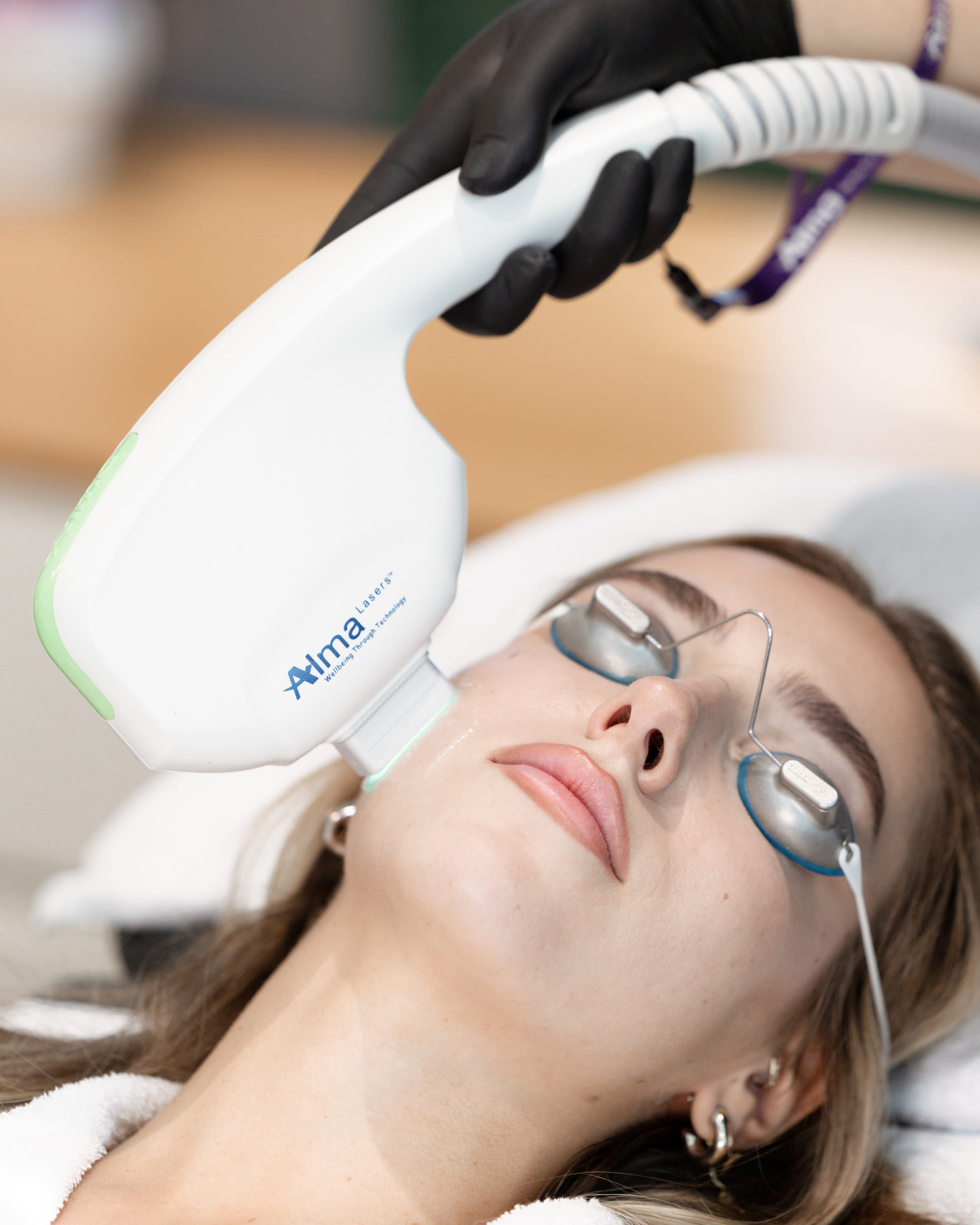
Dye-VL belongs to the Harmony platform and uses AFT technology to deliver controlled light pulses. Melanin in pigmented marks and haemoglobin in blood vessels absorb the selected energy, allowing the target area to be treated.
Although online searches often call it a Dye-VL laser, technically it is a narrow-band IPL/AFT system , rather than a traditional laser. At Eden Laser Clinic, every plan starts with a consultation and is tailored to diagnosis, phototype, pigment depth, area and sun exposure.
On this page
How does Dye-VL IPL work? What may Dye-VL improve? Which areas can be treated? How is a Dye-VL session performed? Frequently asked questions about Harmony Dye-VL
How does Dye-VL IPL work?
Targeting melanin in pigmentation
Melanin gives skin and brown marks their colour. Selected lesions absorb Dye-VL light, producing controlled heat. Marks may temporarily darken after treatment and gradually fade as the skin renews.
Brown marks differ. Sun spots, melasma, post-inflammatory pigmentation and other lesions have different causes and depths. A mole or lesion changing shape, colour or size, itching or bleeding needs medical diagnosis, rather than treatment as a cosmetic mark.
Targeting haemoglobin in redness and capillaries
Haemoglobin inside vessels absorbs light within the Dye-VL spectrum. Controlled heat may help close and fade superficial vessels, reducing visible redness, telangiectasias and selected capillaries.
Dye-VL does not destroy haemoglobin that causes redness; it targets the vessels containing it. Rosacea also involves more than vessels and may include inflammation, sensitivity and triggers requiring a broader care plan.
AFT technology and applicator cooling
Advanced Fluorescence Technology filters and distributes energy within the spectrum useful for the chosen indication. Settings depend on phototype, lesion type and area. Integrated cooling helps comfort and epidermal temperature control but does not eliminate side-effect risk.
What may Dye-VL improve?
Melasma and selected hyperpigmentation
Melasma appears as brown or grey-brown patches, usually on the cheeks, forehead, nose or upper lip. Hormones, genetics, sunlight and visible light can influence its appearance and recurrence.
Dye-VL may be included in some melasma plans alongside strict sun protection and other recommended treatments. Melasma can recur. With some phototypes or unsuitable settings, heat may trigger post-inflammatory pigmentation.
The plan should consider diagnosis, phototype, pigment depth, hormonal factors and daily sun protection. Read more about pigmentation assessment and treatment.
Sun spots and age spots
Sun spots, or lentigines, commonly appear on the face, hands, neck and décolletage. Diagnosed benign, superficial lesions may respond well to light treatment targeting melanin.
A mark may temporarily darken, form a fine crust and fade over the following days or weeks. Session numbers depend on depth, mark numbers and individual response.
Rosacea and facial redness
IPL has evidence supporting reduced erythema and telangiectasias in rosacea. Dye-VL may reduce visible diffuse redness and superficial vessels but does not eliminate susceptibility to further episodes.
Rosacea with papules, pustules, eye symptoms, severe burning or skin thickening requires medical assessment and may need medication alongside light treatment.
Capillaries and superficial vascular lesions
Dye-VL may address telangiectasias, visible vessels around the nose and selected diagnosed superficial vascular lesions. For larger or deeper vessels, the specialist may recommend LP Nd for capillaries and spider veins .
Cherry angiomas, vascular malformations and infantile haemangiomas are different diagnoses. Each needs appropriate assessment and protocol.
Which areas can be treated?
Dye-VL may be used on the face, including cheeks and nose, as well as the neck, décolletage and hands. Each area is assessed according to mark or superficial vessel type.
Other selected areas may be treated after assessment. Suitability and protocol are determined individually for each area.
How is a Dye-VL session performed?
01
Consultation and diagnosis
The specialist determines whether the concern is pigmentation, vascular or combined. Assessment covers phototype, recent tanning, pigment depth, melasma history, medicines, light sensitivity, skincare and sun exposure.
A small patch test may be recommended, particularly for skin with higher pigmentation risk. Do not stop prescribed medicines or products without professional guidance.
02
During treatment
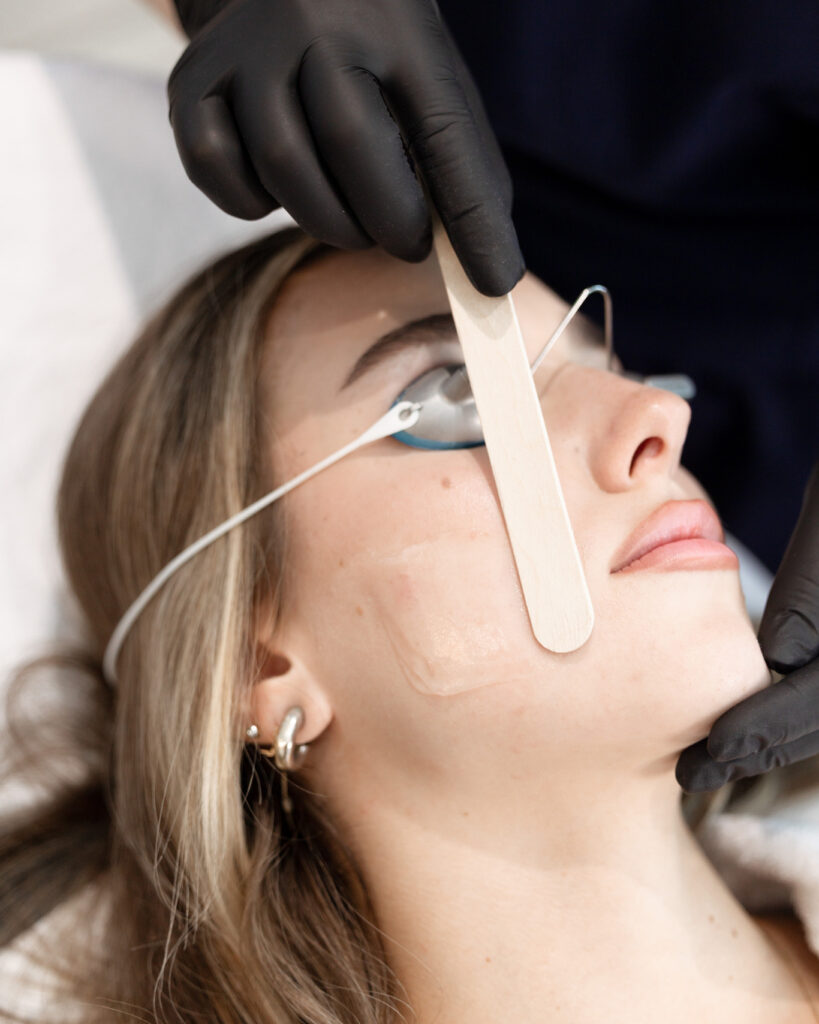
Makeup, creams and surface products are removed. Protective eyewear is used and gel applied according to protocol. The applicator delivers controlled pulses to the target area.
Warmth or a brief snapping sensation may occur. Many patients tolerate treatment without anaesthetic, but sensitivity varies. A session usually lasts around 30–45 minutes depending on area and indication.
03
Aftercare
Redness, warmth, sensitivity or mild swelling may follow Dye-VL. Pigmented marks may temporarily darken and form very fine crusts. Do not scratch or remove them.
Use broad-spectrum sun protection and gentle cleanser and moisturiser. Avoid direct sun, tanning, saunas, hot baths and intense exercise for the advised period. Resume retinoids, acids and exfoliants only when skin settles and as instructed. Do not rub the area or remove crusts; contact the clinic for blisters, increasing pain or unusual reactions.
Who is a suitable candidate?
Dye-VL may be considered for benign superficial pigment lesions, sun damage, uneven tone, diffuse redness, rosacea or visible capillaries. Suitability depends on diagnosis, phototype, tanning, lesion depth and goals.
Harmony can be adapted to different phototypes, but the same applicator and protocol are not suitable for every skin type. Darker phototypes have higher pigmentation-change risk after energy treatment and need careful assessment.
When may Dye-VL be unsuitable?
Treatment may be postponed with recent tanning, anticipated intense sun exposure, infection, wounds or irritated dermatitis. Disclose medicines and conditions increasing light sensitivity, previous pigment reactions and undiagnosed lesions. Pregnancy and other health conditions require individual assessment.
This list is not exhaustive. The decision follows consultation and clinic protocol.
Dye-VL or another treatment?
Dye-VL or LP Nd?
Dye-VL mainly targets superficial vessels and diffuse redness. LP Nd 1064 nm reaches deeper and treats some larger vessels, spider veins or selected reticular veins. Dye-VL may suit widespread rosacea redness; LP Nd may suit an identifiable deeper vessel.
Dye-VL or ClearLift?
Dye-VL uses IPL/AFT for superficial pigment and vascular lesions. ClearLift for non-ablative renewal uses Q-switched Nd 1064 nm to target deeper layers for skin quality, texture and remodelling. Treatments may be combined in some plans, but not automatically or identically for every patient.
Dye-VL or a chemical peel?
Dye-VL targets melanin or haemoglobin with light energy. Chemical peeling for pigmentation and uneven tone exfoliates to a controlled depth and may be an alternative or part of a combined plan. The choice depends on pigment type, phototype, sensitivity and acceptable recovery.
Why Eden Laser Clinic for Dye-VL in Tirana?
Eden Laser Clinic uses Dye-VL on Harmony with AFT technology. Consultation distinguishes pigment from vascular concerns and tailors the plan to phototype, area and depth. LP Nd, ClearLift or chemical peeling are compared where appropriate. You receive guidance on sunlight, aftercare and realistic expectations before deciding.
Also explore the the skin concerns we treat or book a consultation to find out whether Dye-VL is appropriate.
Frequently asked questions about Harmony Dye-VL
What is Harmony Dye-VL?
Dye-VL is a narrow-band intense pulsed light applicator with AFT technology for selected superficial pigmentation and vascular concerns.
Is Dye-VL a laser or IPL?
Dye-VL uses focused-spectrum IPL; technically it is not a traditional laser, regardless of the name sometimes used.
What can Dye-VL treat?
It may reduce visible sun spots, age spots, uneven tone, selected melasma, rosacea, redness and superficial capillaries. Suitability depends on diagnosis.
Does Dye-VL permanently remove melasma?
No. Melasma is chronic and may recur. Dye-VL may form part of a plan including strict sun protection, tailored care and other treatments where needed.
Can Dye-VL treat moles?
A mole or pigmented lesion without a clear diagnosis must not be treated as a cosmetic mark. It needs medical assessment first, especially if changing, itching or bleeding.
Does Dye-VL help rosacea?
It may reduce redness and superficial vessels. Inflammatory or ocular rosacea may also need medical treatment and trigger management.
Is Dye-VL painful?
Warmth or a brief snapping sensation may occur. Applicator cooling helps comfort, but sensitivity differs between individuals.
How long does a session last?
Usually around 30–45 minutes depending on area, lesion numbers and indication.
How many sessions are needed?
The number is individual. Isolated marks may respond faster, while melasma, rosacea or larger areas may need several sessions and maintenance.
When are results visible?
Marks may initially darken, then fade over the following days or weeks. Redness and vessels usually improve progressively.
Is there recovery time?
Most patients continue usual activities, but redness, swelling, sensitivity, darkened marks or fine crusts may occur. Recovery depends on skin and protocol.
Can Dye-VL be performed in summer?
It depends on sun exposure, tanning, phototype and indication. Recent tanning or inability to avoid sunlight may mean postponement. Regular SPF protection is essential.